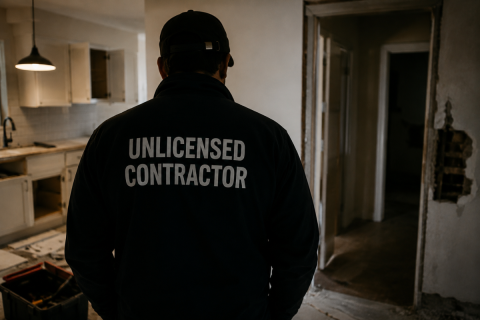
The Hidden Risks of Hiring Cheap Unlicensed Contractors for Rental Property Repairs
Every rental property owner wants to control costs. That is smart business. Repairs, maintenance calls, emergency service visits, and turnover work can quickly eat into monthly cash flow. So when a contractor offers to fix a plumbing issue, electrical problem, or general repair for far less than a licensed professional, it can be tempting to say yes.
But when it comes to rental property repairs, “cheap” can become very expensive.
Hiring unlicensed contractors may seem like a quick way to save money, but it can expose landlords to serious risks, including poor workmanship, tenant safety issues, code violations, insurance complications, and even legal liability. For owners who rely on rental income, one bad vendor decision can create financial damage far beyond the original repair quote.
That is why professional property management vendor screening is so important. A good property management company does not simply look for the lowest price. It looks for qualified, reliable, properly insured vendors who can complete the work safely and correctly.
Below, we’ll break down the hidden risks of hiring unlicensed contractors, when price shopping becomes dangerous, and how better vendor screening protects landlords, tenants, and rental investments.
Why Unlicensed Contractors Are So Risky for Rental Repairs
An unlicensed contractor is someone performing work without the required license, certification, registration, or approval for that trade or location. In some cases, the person may be skilled at basic repairs. In other cases, they may be completely unqualified.
The problem is that rental property owners may not know the difference until something goes wrong.
Rental properties are not the same as private DIY projects. They are occupied homes, income-producing assets, and legally regulated housing. When a tenant reports a repair, the owner has a responsibility to address the issue properly. If the wrong person is sent to fix the problem, the owner may still be responsible for the outcome.
This is especially true for higher-risk repairs involving electrical systems, plumbing, HVAC, roofing, structural components, or anything that could affect tenant safety.
A lower quote from an unlicensed contractor may look attractive at first, but if the work fails, causes damage, or violates code, the landlord could end up paying much more to correct the issue.
The Real Cost of “Cheap” Repairs
The cheapest repair is not always the most cost-effective repair. A low-cost contractor may cut corners by using poor materials, skipping permits, rushing the job, or completing work outside their expertise.
For example, a cheap plumbing repair may temporarily stop a leak but fail to address the real cause. Weeks later, the same issue may return as water damage, mold, damaged flooring, or tenant displacement. A cheap electrical repair may seem to work at first but create a hidden fire hazard. A low-cost roofing patch may fail during the next storm and cause interior damage.
In rental property ownership, bad repairs create a chain reaction. One poor vendor decision can lead to repeat service calls, tenant complaints, lost rent, insurance claims, and expensive remediation.
The upfront savings may feel good for a moment. The long-term costs can be painful.
Liability Risks for Landlords
One of the biggest risks of hiring unlicensed contractors is liability. If an unlicensed or uninsured worker gets injured while performing repairs at your rental property, the landlord may be pulled into the claim. If the contractor damages the property or injures a tenant, the owner may also face legal and financial consequences.
Insurance can also become complicated. Some policies may question or deny claims if damage was caused by improper, unlicensed, or unpermitted work. Even when coverage is available, the claims process can become more difficult if the contractor does not have proper documentation, insurance, or proof of qualifications.
This is why vendor compliance matters. Landlords should know who is entering their property, what qualifications they have, and whether they carry the correct insurance coverage.
A professional property management company can help by maintaining vendor records, requesting certificates of insurance, confirming licenses when needed, and documenting work orders.
Tenant Safety and Trust Are on the Line
Rental repairs do not just affect the property. They affect the people living in it.
Tenants expect repair vendors to be professional, qualified, and respectful. When an unvetted contractor enters a rental home, there may be concerns about safety, reliability, behavior, or workmanship. If the repair is done poorly, tenants may lose confidence in the landlord or property manager.
This can lead to repeated complaints, negative reviews, lease non-renewals, or disputes over habitability. In serious cases, unresolved or improperly repaired issues may create tenant safety concerns.
Landlords should remember that every vendor represents the property owner. A repair person who is careless, unprofessional, or unqualified can damage the owner’s reputation with the tenant.
Code Violations and Permit Problems
Many types of repair work must follow local building codes and may require permits or inspections. This is especially common for electrical panels, major plumbing repairs, water heaters, HVAC replacements, roofing work, and structural changes.
Unlicensed contractors may not know the rules, or they may intentionally avoid permits to keep costs low. That can create major problems later.
If work is completed incorrectly or without proper approval, the landlord may be required to redo the repair with a licensed contractor. The property could fail an inspection. Insurance claims may become harder to support. Future buyers may raise concerns during due diligence.
Code violations can also create safety risks. Building codes exist to protect occupants and property. Skipping them is not just a paperwork issue; it can put tenants and investments at risk.
Pros and Cons of Hiring Cheap Unlicensed Contractors
Some landlords consider unlicensed contractors because they want faster service or lower pricing. While there may be short-term advantages, the risks are significant.
Pros
1. Lower upfront cost
Unlicensed contractors often charge less than licensed and insured professionals because they may not carry the same business expenses.
2. Possible faster availability
Some unlicensed contractors may be available quickly for small jobs, especially when licensed vendors are booked.
3. Informal flexibility
They may be willing to handle odd jobs, after-hours requests, or small repairs without a formal process.
Cons
1. Higher liability exposure
If someone is injured or property is damaged, the landlord may face greater legal and financial risk.
2. Poor or unsafe workmanship
Without proper licensing or oversight, repairs may be completed incorrectly or unsafely.
3. Insurance complications
Damage caused by unlicensed or improper work may create problems during the insurance claims process.
4. Code and permit violations
Unlicensed contractors may skip required permits, inspections, or building code requirements.
5. Repeat repairs and higher long-term costs
Cheap work often leads to more service calls, tenant complaints, and expensive corrections.
6. Tenant dissatisfaction
Poor vendor behavior or low-quality work can hurt the tenant experience and reduce lease renewals.
7. Lack of documentation
Unlicensed contractors may not provide proper invoices, warranties, insurance certificates, or repair records.
When you compare both sides, the short-term savings rarely justify the long-term risk. For rental property repairs, the safer choice is usually a properly screened, licensed, and insured vendor.
How Property Management Vendor Screening Protects Owners
Strong property management vendor screening helps landlords avoid risky repair decisions. Instead of hiring someone based only on price, a property management company evaluates vendors based on qualifications, reliability, documentation, and performance.
Vendor screening may include checking:
Business licensing and trade credentials
General liability insurance
Workers’ compensation coverage when applicable
Reputation and past performance
Pricing transparency
Response time
Quality of communication
Tenant professionalism
Warranty or workmanship standards
Experience with rental properties
This process helps owners get fair pricing without sacrificing protection. The goal is not to hire the most expensive vendor. The goal is to hire the right vendor for the job.
A properly screened vendor network also creates consistency. When maintenance requests come in, the property manager already knows who to call for plumbing, electrical, HVAC, roofing, appliances, landscaping, and general repairs. That saves time and reduces guesswork.
When a Handyman Is Appropriate—and When They Are Not
Not every maintenance task requires a licensed specialist. Some minor repairs may be appropriate for a qualified, insured handyman. Examples may include replacing door hardware, patching drywall, installing blinds, fixing a loose cabinet handle, or handling basic turnover tasks.
However, landlords should be cautious when repairs involve:
Electrical wiring or panels
Plumbing lines or water heaters
HVAC systems
Roofing
Gas lines
Structural repairs
Mold or water damage
Safety-related repairs
Work requiring permits
For these jobs, hiring a licensed and insured professional is usually the best way to protect the property and reduce liability.
The key is knowing the difference. That is where an experienced property manager can help.
Better Vendor Decisions Lead to Better Rental Property Performance
Rental property maintenance is not just about fixing problems. It is about protecting income, preserving property value, keeping tenants satisfied, and reducing risk.
When landlords hire unlicensed contractors, they may save money upfront, but they also take on more uncertainty. Will the repair last? Was it done safely? Was it completed to code? Is the contractor insured? What happens if something goes wrong?
Professional vendor screening answers those questions before the work begins.
A strong property management partner helps owners avoid risky shortcuts, control maintenance costs responsibly, and keep properties operating smoothly.
FAQ: Risks of Hiring Unlicensed Contractors for Rental Repairs
What are the risks of hiring an unlicensed contractor for rental repairs?
The main risks of hiring an unlicensed contractor for rental repairs include poor workmanship, tenant safety issues, code violations, insurance claim problems, repeat repairs, and possible landlord liability if damage or injury occurs.
Can a landlord use an unlicensed contractor for small rental repairs?
A landlord may be able to use an unlicensed contractor or handyman for minor tasks that do not require a trade license, but the person should still be insured, reliable, and properly vetted. Plumbing, electrical, HVAC, roofing, structural, and safety-related work should usually be handled by licensed professionals.
How does property management vendor screening help landlords?
Property management vendor screening helps landlords by verifying vendor qualifications, insurance, reputation, pricing, and work quality before repairs are assigned. This reduces risk, improves repair outcomes, and helps protect the rental property investment.
Protect Your Rental Investment With Smarter Vendor Screening
Cheap repairs can be tempting, but the wrong contractor can cost far more than they save. From liability and insurance issues to tenant complaints and repeat maintenance problems, hiring unlicensed contractors can put your rental property at unnecessary risk.
With professional property management vendor screening, landlords can get reliable repairs, fair pricing, better documentation, and greater peace of mind.
If you own a rental property and want to reduce maintenance headaches, request a free consultation today. Our team can help you protect your investment, screen vendors properly, and keep your rental property running smoothly.